Real operators. Real change.
Every engagement is tied to a commercial outcome - cost reduction, margin improvement, operating leverage, or decision speed.
Case Study 01
6–7% COGs Reduction While Improving Customer Ratings
Context
Multi-brand, multi-site food operator under increasing margin pressure and inconsistent customer ratings across locations.
The problem
COGs were creeping up due to recipe drift and weak procurement discipline. Customer ratings were volatile. Leadership couldn’t clearly see how cost control and execution quality interacted.
What I did
Embedded inside the food development and operations teams to understand how cost and quality actually flowed through the system
Built LLM driven analysis and recommendation engine
Rebuilt recipe and target pricing frameworks with clear cost guardrails
Introduced structured portion control and compliance checks across sites
Aligned procurement pricing with menu engineering decisions
Connected COGs performance to customer rating data to surface trade-offs
Introduced AI-enabled monitoring to flag cost variance and execution anomalies earlier
The outcome
Material reduction in COGs across the estate (6-7%)
Average rating uplift of 0.5+ across underperforming sites.
Improved portion consistency and reduced wastage
Stabilised and improved customer ratings across underperforming sites
Clear linkage between operational discipline, cost control, and customer experience
Margin improvement achieved without sacrificing product quality
Why it stuck
The changes weren’t cost-cutting exercises. They were system-level improvements to recipe governance, procurement discipline, and operational execution.
Quality and margin were managed together, with clear ownership and visibility at site level.

Delivery rating performance across sites
Cost Of Goods Sold improvement across multi-site operator
Case Study 02
35% Reduction in Cost-to-Serve Through AM Redesign
Context
Multi-site operator scaling rapidly, with growing partner and customer complexity putting pressure on central teams.
The problem
Account Management had become reactive. AMs were spending significant time answering repetitive queries, chasing information internally, and manually coordinating across operations, supply chain, and finance. Customers lacked visibility and self-serve tools, so even simple issues required intervention. Cost-to-serve was rising, customer lifetime-value was stalling.
What I did
Embedded inside the Account Management to map how time and cost actually flowed
Redesigned the AM operating model to separate reactive coordination from value-add activity
Built structured self-serve tools allowing partners to access performance data, resolve common issues, and track actions independently
Introduced AI-enabled triage to prioritise high-risk or high-impact accounts
Rebuilt performance dashboards around commercial drivers, not vanity metrics
Clarified ownership between AM, Ops, and central functions
The outcome
35% reduction in cost to serve per partner
Significant reduction in reactive inbound volume
Account Managers shifted from firefighting to performance improvement
Scalable AM model that supported growth without linear headcount increases
Why it stuck
The change wasn’t a tooling upgrade. It was an operating model reset.
Tools were built around real workflows, AM incentives were aligned to commercial outcomes, and ownership was clearly defined.
AI supported decision-making, it didn’t replace accountability.

Cost to Serve reduction acorss multi-site operator
Case Study 03
£2.5m Annual Savings Through Capacity & Labour Optimisation
Context
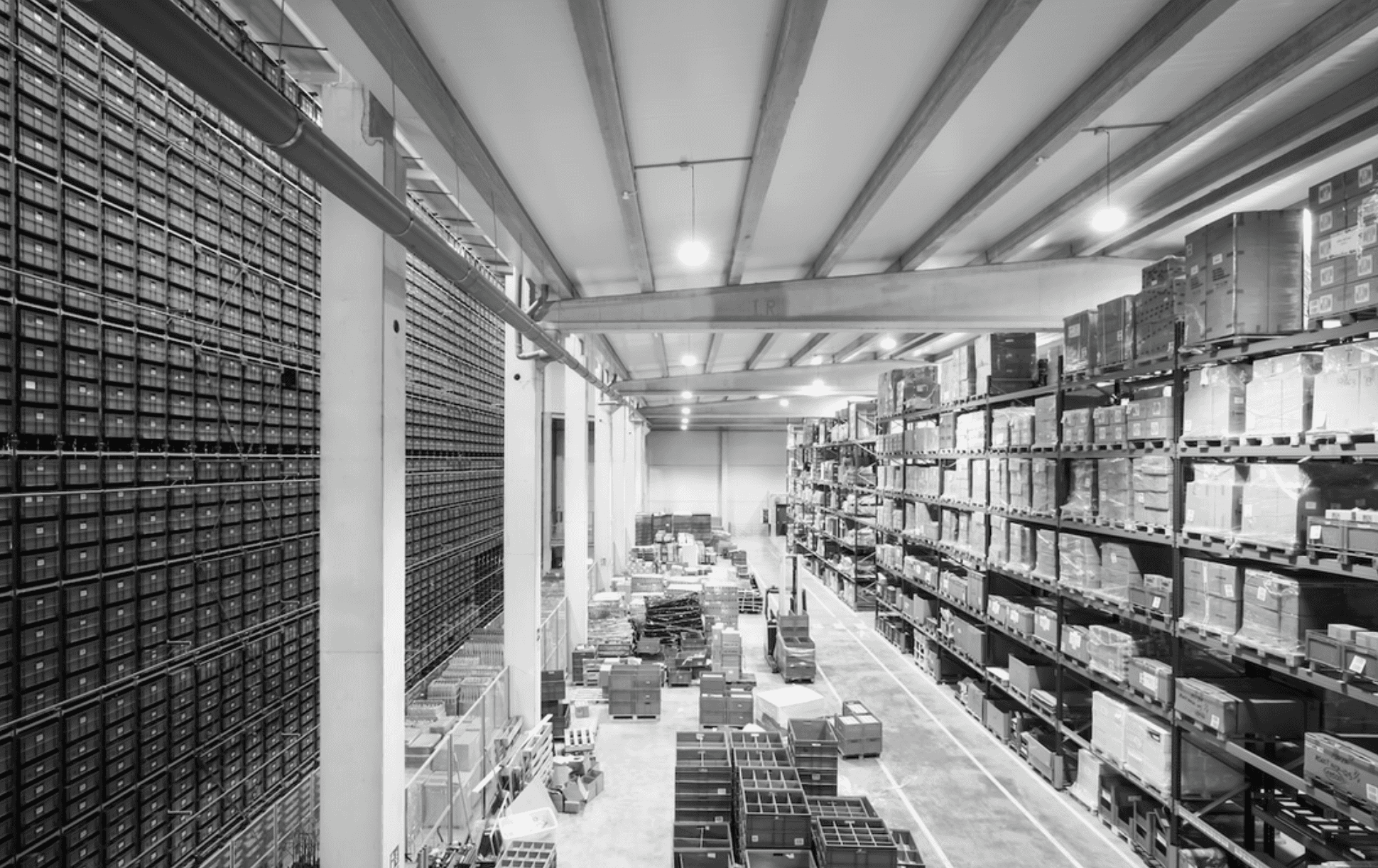
Major multi-location logistics group with strong demand but inconsistent utilisation across warehouses.
The problem
Labour allocation wasn't optimised, staff scheduling didn’t match demand patterns, and some locations were over capacity while others were underutilised. Leadership knew costs were creeping up but couldn’t see where or why.
What I did
Worked with the teams on the ground to understand what truly drives demand
Analysed demand patterns and operational flow across locations to understand best practice
Built a bespoke labour planning model to expose savings
Introduced AI-assisted demand forecasting to improve labour alignment
Worked with leadership to embed new KPIs and ways of working
The outcome
Revenue growth driven by better operational alignment rather than capex
Internal teams trained on new modelling processes
15% cost-to-serve reduction, delivering £2.5m in annual savings
Why it stuck
The tools were simple, practical, and integrated into existing workflows. Ownership was clear, and the focus remained on commercial outcomes, not technology.
Annual Savings from labour efficiency gains
“What stood out was the depth of operational understanding. They worked alongside our team, simplified decision-making, and left us with stronger internal capability. It felt like bringing in a seasoned operator who happens to be AI-native.”
— COO, mid-market hospitality business
What happens next?
A short conversation to understand your operation and whether we can help.
If there’s a fit, we’ll outline a small, outcome-led engagement.
If there isn’t, we’ll tell you quickly.
No obligation. No sales deck. Just a conversation.